The Sober Living Operator's Tech Stack: What You Actually Need
You do not need a $500/month platform to run a professional operation. But you do need more than a notebook and your personal cell phone.
There is a sweet spot for sober living technology. Below it, you are losing residents to disorganization. Above it, you are paying for features you will never use. Most operators either have too little or too much, rarely the right tools configured correctly.
This post breaks down what you actually need in tiers, starting with the essentials and building up as your operation grows.
Tier 1: The Foundation (Every Home Needs This)
These are non-negotiable. If you are running a sober living home without these, you are leaking revenue and burning yourself out.
A Dedicated Business Phone Line with Call Tracking
Stop using your personal cell for business calls. A dedicated line gives you:
- A professional presence (callers see a business, not a personal number)
- Call tracking (know how many calls you get, how many you miss, when peak call times are)
- After-hours routing (send calls to voicemail, an answering service, or automated text-back when you are unavailable)
- Separation between work and personal life (important for your own recovery and mental health)
Cost: $25-50/month for a good VoIP or virtual phone system.
Digital Intake Forms
Paper intake forms get lost, cannot be searched, and require manual data entry. Digital forms:
- Can be sent via link before a phone call or tour
- Auto-populate your records
- Capture information consistently every time
- Can trigger automated next steps
You do not need custom software for this. A well-designed form on Google Forms, JotForm, or Typeform works fine to start.
Cost: Free to $35/month.
A Basic CRM or Tracking System
CRM sounds corporate, but all it means is a system to track who has inquired, where they are in your process, and what needs to happen next. At minimum, you need:
- A list of all active prospects
- A status for each one (New, Contacted, Toured, Applied, Moved In, Lost)
- A record of when you last contacted them
- A note on what the next step is
A spreadsheet works for a single home. Once you are managing multiple homes or more than 30 inquiries a month, you need something purpose-built.
Cost: Free (spreadsheet) to $50/month (simple CRM).
Tier 1 is not optional. Every home without these basics is leaking revenue they cannot see.
Tier 2: Growth Tools (Once You Have Consistent Intake)
These tools make sense once your foundation is solid and you are ready to increase efficiency and professionalism.
Automated Follow-Up
Manual follow-up breaks when you get busy. Automated sequences ensure every prospect gets consistent touchpoints:
- Text/email sequences triggered by inquiry
- Appointment reminders for tours and intake meetings
- Waitlist updates when beds open
This is where the real leverage comes in. Automated follow-up can double your conversion rate without any additional time from you.
Cost: $50-100/month depending on the platform.
Review Management
Online reviews are critical for sober living homes. Most families research extensively before choosing a home, and reviews are the first thing they look at. A review management system:
- Sends automated requests to residents and families at the right time
- Monitors your reviews across Google, Facebook, and directories
- Alerts you to negative reviews so you can respond quickly
You do not need to game the system. You just need to consistently ask happy residents and families to share their experience.
Cost: $30-75/month.
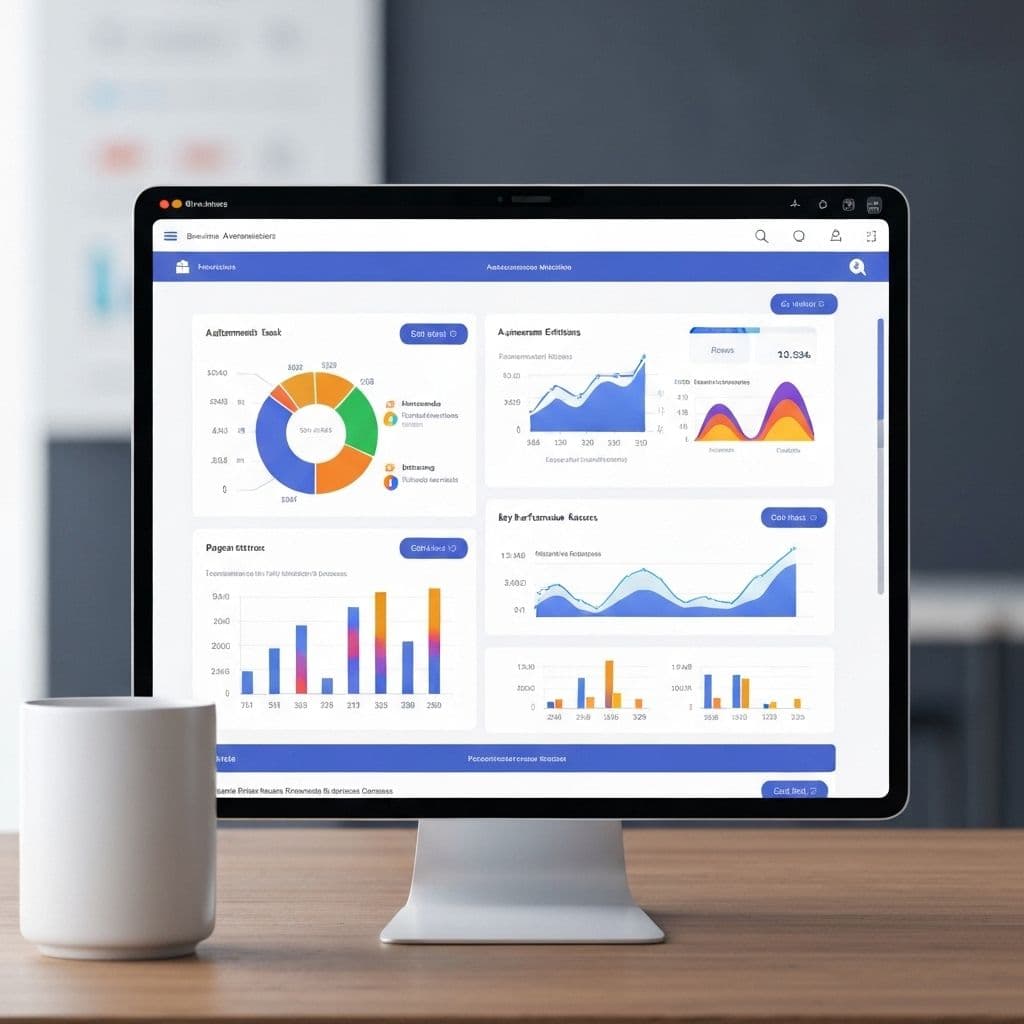
Basic Reporting and Dashboards
If you cannot answer these questions quickly, you need better reporting:
- What is my current occupancy rate?
- How many inquiries did I get this month vs. last month?
- What is my average time from first inquiry to move-in?
- Which referral sources are sending me the most residents?
- What is my conversion rate at each stage?
These numbers tell you exactly where to focus your attention. Without them, you are making decisions on gut feeling.
Cost: Often included in CRM tools, or $25-50/month standalone.
Tier 3: Scale Tools (Multi-Home Operators)
If you are running multiple locations, these become important.
Centralized Intake
One phone number and intake process that routes to the appropriate home based on availability, location, gender, or program type. This prevents the chaos of multiple homes managing intake independently.
Bed Board / Census Management
A real-time view of availability across all locations. Treatment centers and referral sources should be able to get a quick answer on where you have openings, not "let me check and get back to you."
Staff Task Management
When intake involves multiple people (intake coordinator, house manager, clinical staff), you need a system that assigns and tracks tasks. Otherwise things fall through the cracks at the handoff points.
What You Do NOT Need
Let me save you some money and frustration. You do not need:
Enterprise healthcare platforms designed for treatment centers with clinical staff and insurance billing. They are expensive, over-built for sober living, and require training you do not have time for.
All-in-one marketing platforms that bundle website building, social media, email marketing, CRM, and twelve other things. You will use 10% of the features and pay for 100%.
Custom-built software unless you are operating 10+ homes. Off-the-shelf tools configured correctly will get you 95% of the way there at a fraction of the cost.
AI chatbots on your website as a replacement for answering the phone. People looking for sober living want to talk to a human. A chatbot can capture information after hours, but it should never be the primary interaction.
The Realistic Budget
Here is what a solid tech stack costs for a single sober living home:
| Tool | Monthly Cost | |------|-------------| | Business phone with tracking | $30-50 | | Digital intake forms | $0-35 | | Basic CRM | $0-50 | | Automated follow-up | $50-100 | | Review management | $30-75 | | Total | $110-310/month |
At $110-310/month, you are spending less than the revenue from a single bed. If these tools help you fill even one additional bed per month, the ROI is 8-25x.
Compare that to the cost of one empty bed ($2,000-3,000/month) and the math is obvious.
The goal is not to have the most technology. It is to have the right technology, configured correctly, actually being used.
The Right Approach
Do not try to implement everything at once. Start with Tier 1. Get your foundation solid. Track your numbers for 30-60 days. Then layer in Tier 2 tools based on where you see the biggest gaps.
Next Steps
Not sure what you need or where to start? We help sober living operators choose and configure the right tools for their operation, no upselling, no unnecessary complexity. Just the systems that will actually move the needle on your occupancy.